Plant-based Collagen Vs Animal Collagen
Plant-Based Collagen vs Animal Collagen: What’s the Difference?
Collagen supplements are everywhere — from beauty powders to protein shakes. But not all collagen is created equal. One of the most common questions consumers ask today is:
Should I choose plant-based collagen or animal collagen?
In this blog, we break down the key differences so you can decide which option best supports your skin, body, and lifestyle.
What Is Animal Collagen?
Animal collagen is traditionally sourced from:
-
Fish (marine collagen)
-
Cows (bovine collagen)
-
Poultry
It provides collagen peptides directly and is commonly used to support skin elasticity, joints, and hair.
Pros of Animal Collagen
-
Direct source of collagen peptides
-
Well-known and widely available
Cons of Animal Collagen
-
❌ Not vegan or vegetarian
-
❌ Can cause bloating or digestive discomfort for some
-
❌ Often lacks complete protein
-
❌ Higher environmental impact
-
❌ Ethical and allergen concerns (especially fish)
How Plant-Based Collagen Works in the Body
Your body naturally produces collagen — but this process slows down with age, stress, and poor nutrition.
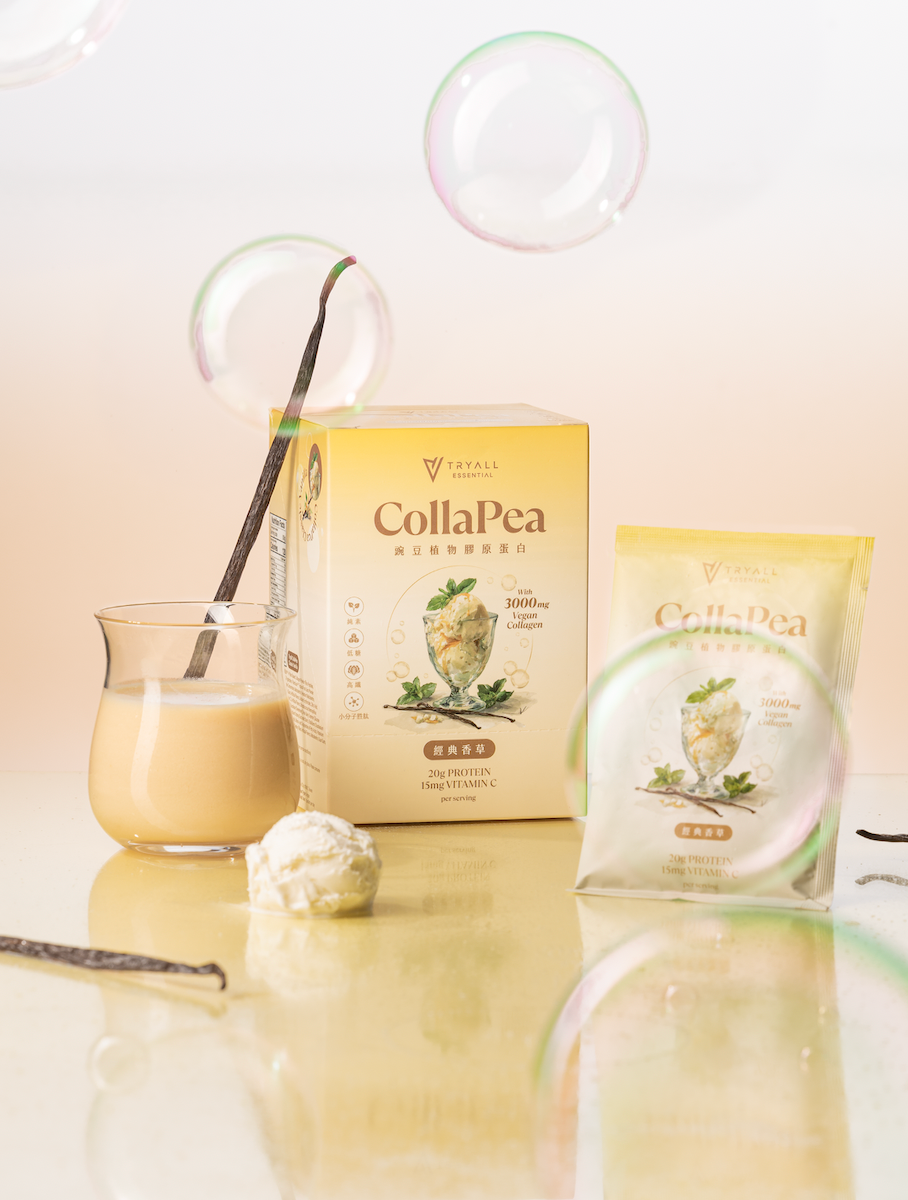
Plant-based collagen formulas (like TRYALL CollaPea) work by:
-
Providing amino acids needed for collagen synthesis
-
Supporting muscle growth and tissue repair
-
Enhancing collagen formation with Vitamin C
-
Using small-molecule peptides for better absorption
Some advanced plant collagen peptides are designed to closely mimic human skin collagen, helping support skin structure from within.
Plant-Based Collagen vs Animal Collagen: Side-by-Side Comparison
| Feature | Plant-Based Collagen | Animal Collagen |
|---|---|---|
| Source | Plants / Fermentation | Fish, bovine, poultry |
| Vegan-Friendly | ✅ Yes | ❌ No |
| Supports Natural Collagen Production | ✅ Yes | ⚠️ Indirect |
| Complete Protein | ✅ Often included | ❌ Usually no |
| Digestive Comfort | ✅ Gentle, low bloating |